AI skills that show up in the work.
Practical AI training, built around your team and the work they do.





AI foundations
Responsible use
Practical prompting
Team workshops
Reusable workflows
Leadership briefings

Practical training. Built around your team.
The programme
Built around your tools.
Usable the next morning.
Start with a focused introduction, go deeper with role-based workshops or build capability over several months. We agree the audience, tools and learning goals first, then choose the right format, language and pace together.
Build confidence with tasks your team recognises. Practise framing requests, checking AI outputs and turning useful results into everyday habits. Anonymised examples can keep sensitive information out of the exercise.
Training formats
One workshop or a programme that builds over time.
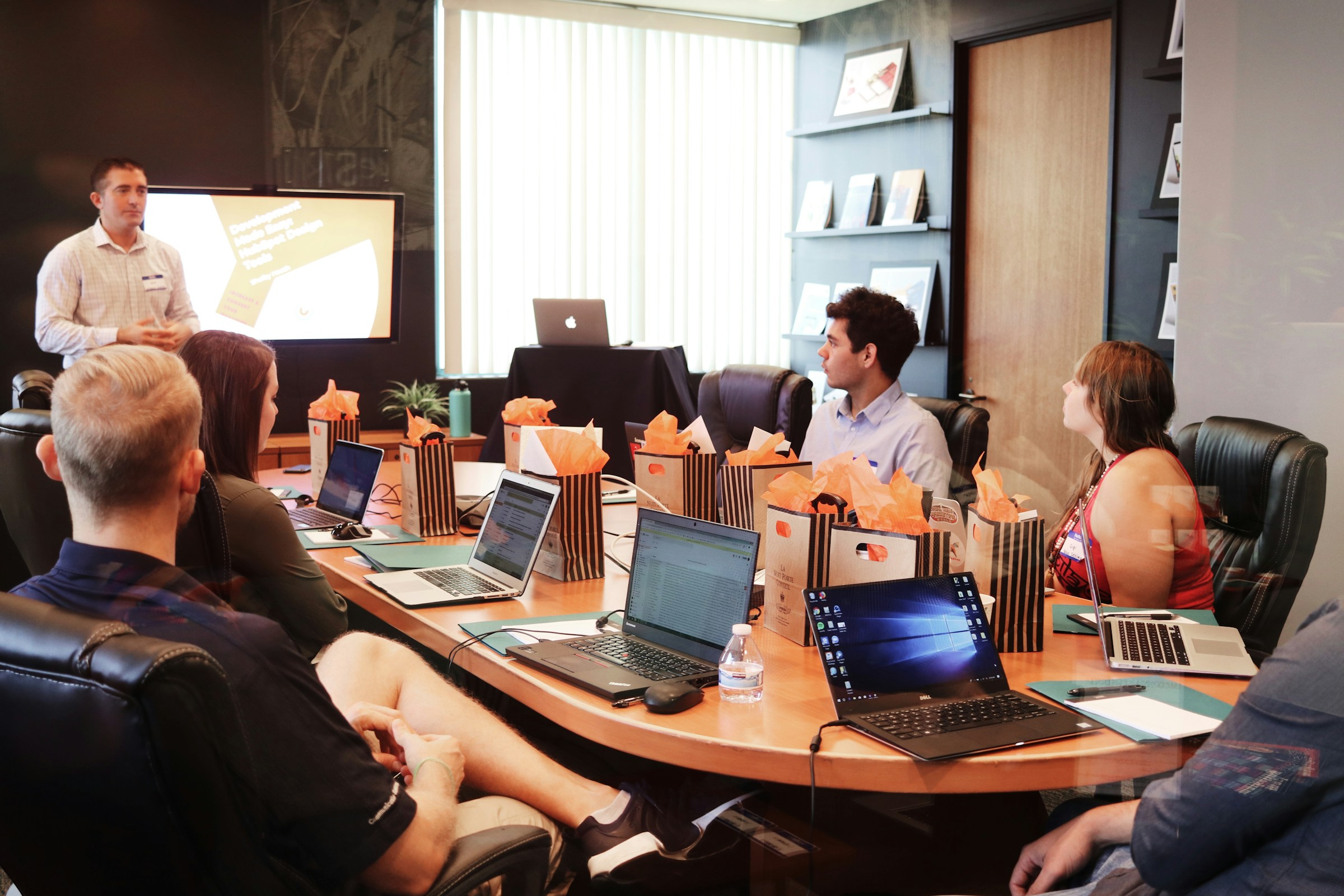
Start with an introduction for a shared understanding of AI. Choose role-based workshops for teams that need hands-on practice, or a sequence of sessions with time to apply and review what they learn. The format follows your goals, existing tools and starting level.
What you learn
Useful skills for the work already on your desk.
AI fundamentals and responsible use: understand strengths, limitations and confidentiality. Practise giving clear instructions, checking sources and reviewing outputs before using them.
Everyday applications: prepare a meeting briefing from emails, transcripts and a spreadsheet, then turn it into a presentation and follow-up draft. In a more advanced workshop, build reusable AI instructions around your organisation’s tone and terminology. We agree the tools and exercises with your team.
How it works
From demonstration to independent practice.
Each session connects a short explanation with a worked example and a practical exercise. Your team tries the approach, compares outputs and asks questions. We use anonymised or fictional material where needed, then agree what to practise between sessions.
Before starting, we agree the audience, tools and access, language, delivery format and learning goals. Supporting materials and any follow-up sessions are scoped with you. No prior technical background is assumed for introductory workshops.
Work through a portfolio-review scenario across Microsoft 365. Gather the relevant emails, calendar entries and meeting transcripts, analyse a sample spreadsheet, then prepare a briefing in Word and a presentation outline. Review the supporting sources and draft the meeting follow-up. Participants can practise with the demonstration material or an appropriate upcoming meeting. The exercise connects familiar tasks into one useful output, with a person checking the result before it is used.
CLIENT STORY · PREMIA PROPERTIES
“Silvercrest AI’s training was clear, practical and tailored to the needs of different teams at Premia. It combined AI fundamentals and the practical use of Microsoft Copilot with examples from our everyday work, giving participants a useful framework they can apply in practice.”
After the workshop
Useful after the workshop. Not just interesting in the room.
Leave with worked examples, reusable prompts and reference material matched to the session. Your team has something concrete to return to when drafting a document, reviewing information or trying a new workflow. Knowing how to check the result matters just as much as knowing how to get one.
For a wider programme, we can add a follow-up clinic to discuss real attempts, resolve questions and refine the examples. We agree the materials, level of support and next steps before the programme starts, so the format fits your team rather than adding another obligation.

